
Behind the Continuum Jump Model: Why Us, Why We Built It, and Why It Matters Now
By Wendy White & Morgan Daniels
There are plenty of models in the life sciences world - few acknowledge the people and cultural challenges faced through the scaling process, and how it actually feels to do it.
This model emerged the only way something durable ever does in the Life Sciences industry—through experimentation, pattern recognition, and years of lived experience spent alongside leaders navigating growth under pressure.
Grounded in organizational development and human dynamics theory—including models like the Greiner Growth Model and the Sigmoid Curve—this work is built on what we’ve seen through our lived experience and consulting partnerships with life sciences organizations as they move from startup to scale.
This is the story behind the Continuum Jump Model - and the people behind it.
Continuum’s Thirty Years Inside the System
We founded Continuum over 30 years ago, as a women-owned, boutique consulting firm focused on developing teams, leaders, and organizations. We were based in Research Triangle Park in North Carolina—just as the Triangle was becoming a hub for bioscience research, manufacturing, and drug development.
Naturally, we gravitated toward life sciences organizations and the passionate people behind the work: the scientists, engineers, quality leaders, and operators dedicating their lives to curing disease and improving patient’s quality of life. We decided to use our talents to support leaders who were “doing good in the world—and equipping them to do it better.”
Over the decades, we’ve worked inside—and alongside—BioPharma organizations at every point on the journey: early discovery, first facilities, operational readiness, regulatory exposure, and steady-state operations. From Biotech start-ups, to Greenfield builds, to established global pharma organizations, we’ve supported:
First-time founders becoming enterprise leaders
Organizations that are operating while they’re still building
Teams expanding and scaling faster than culture could keep up
Executive teams trying to “hold it together” through approval, audit, or launch
The Predictable Human Patterns of Growth
In quieter moments with leaders—after the meeting, between milestones, late in the day—we found ourselves in deeper conversations. Leaders talked about what felt heavy, what no longer worked, and what they couldn’t quite name.
That’s when patterns surfaced. We could see where organizations were on their growth curve—and where tension was building between what had worked and what was now required.
Across organizations, we saw the same sequence repeat:
What worked early on eventually stopped working
Leaders pushed harder instead of evolving the system
Teams internalized strain as personal failure
Misalignment, miscommunication, and disengagement increase
Culture quietly eroded in the in-between moments
Not because leaders were failing – but because growth itself creates predictable strain on people, culture, and ways of working.
We began introducing leaders to the Jump Model and sharing what we had learned over years of experience: that people and culture challenges are not random. They are normal, predictable, and human at each stage of growth.
Often, we would say, Congratulations. You’re experiencing this precisely because you were successful earlier on. Almost without fail, leaders would pause—and visibly exhale.
Things weren’t falling apart because standards were slipping or people were failing. They were simply in a new phase of growth—one that required different leadership moves than the ones that had gotten them here.
Why We Built the Model
This year, we decided it was time to formalize what we had learned—so leaders wouldn’t have to rely solely on instinct or endurance.
Our hope was simple: by making the people dynamics of growth visible, leaders could scale with intention rather than reaction.
The Continuum Jump Model was created to support leaders to:
See what’s coming sooner
Put language to where they are and what’s needed next
Understand and lead through Messy Middles with intention
Preserve energy, trust, and capability while scaling
From this work, the Continuum Jump Model was born.
Meet the Women Behind the Model
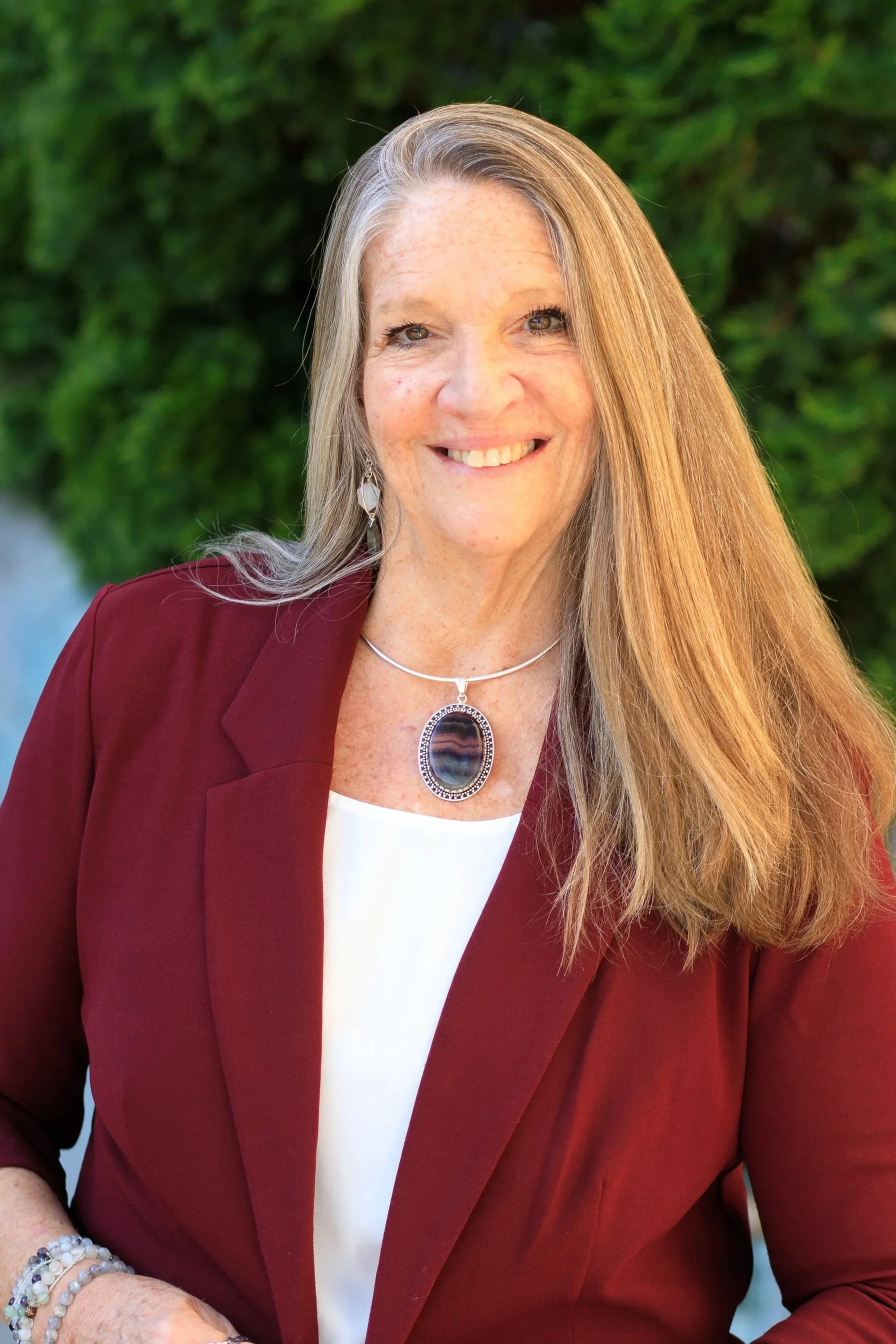
Wendy B. White – Founder & CEO
Grounding growth in operational and human reality
Wendy has spent 30 years of her career supporting life sciences leaders through moments of transition—when organizations are scaling, pressure is peaking, and the old playbook no longer works. From greenfield facilities to operations, development to approval, and scale to steady state, her work centers on providing strategy and navigating the human side of developing organizations and their teams and leaders.
Guided by years of first-hand experience, her approach is practical, grounded, and deeply human. She partners with leaders to evolve how they lead, decide, and support their teams as the organization outgrows its early ways of working.
Her belief is simple: If the system doesn’t work for the people inside it, it won’t work when it matters most.
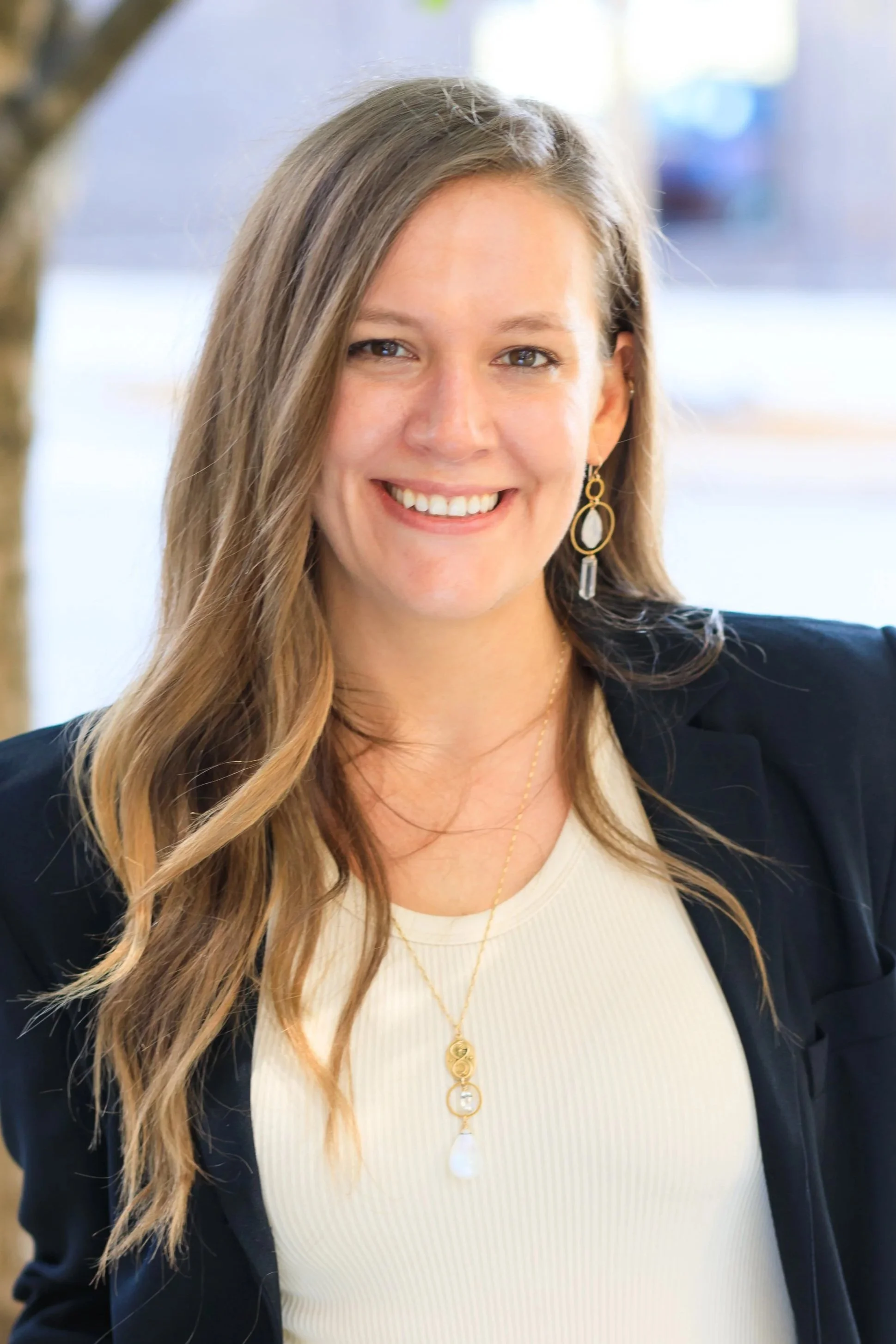
Morgan Daniels – President & Partner
Making the invisible human dynamics of growth visible
Morgan brings consulting experience across public health, biotech startups, and cross‑sector life sciences organizations, along with a master’s degree in organizational development from American University. Her work focuses on supporting organizations and leaders to understand—and intentionally lead—the people side of change.
With a deep grounding in organizational development, team dynamics, and the human side of change, Morgan has the ability to translate lived organization pains into clarity and action. She takes a people-centered, purpose-driven approach grounded in real the constraints or real world context.
Her belief is hard-earned: When leaders intentionally evolve the system – people and performance scale with it.