

Continuum Insights
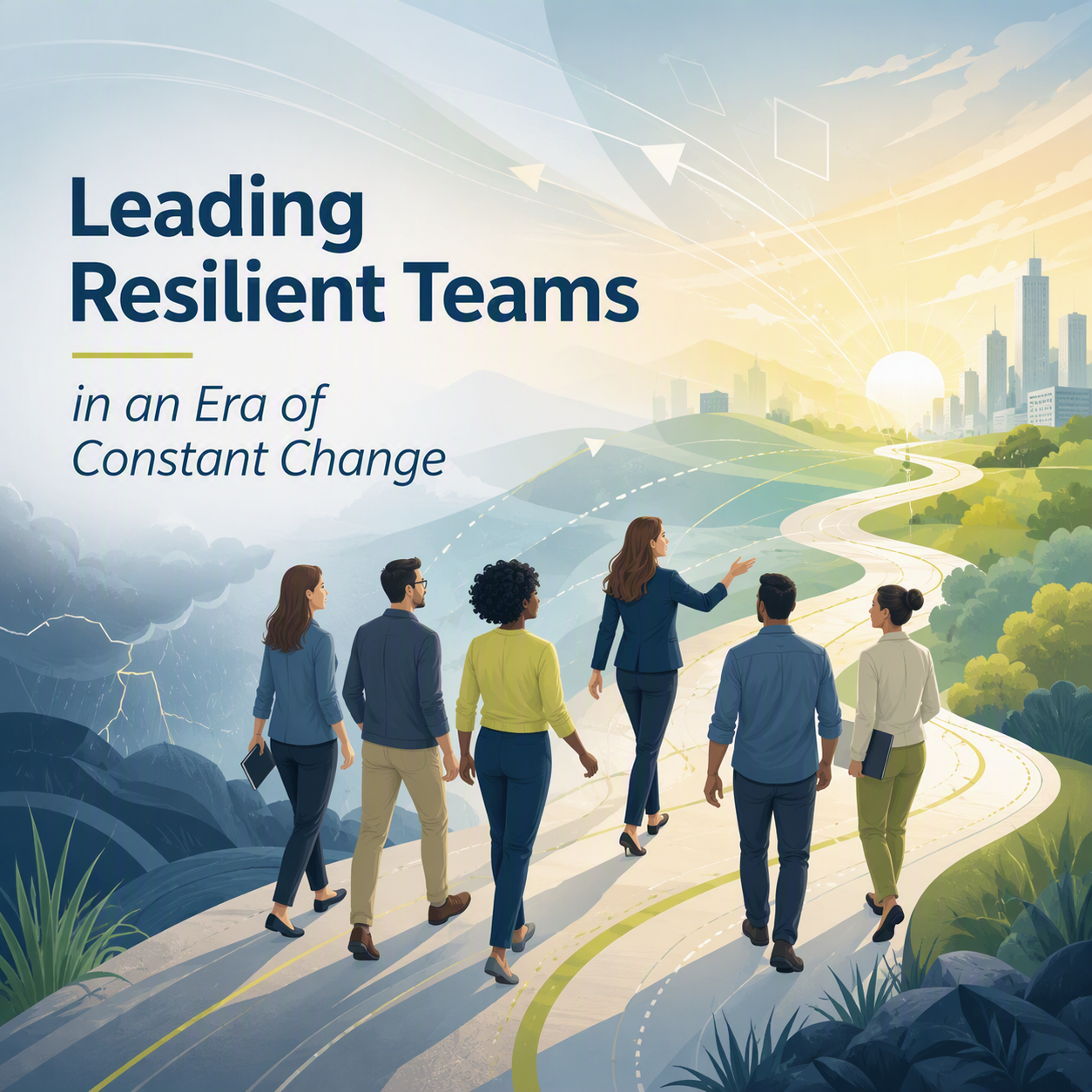

Navigating Novel Unknowns
The journey from startup to scale has always demanded clarity, resilience, and disciplined execution—especially in the life sciences, where regulatory complexity, capital intensity, and long development timelines converge. Leaders have historically navigated this journey using structured frameworks like the Continuum Jump model—mapping both the tactical and human/cultural side of change. moving from early validation to operational build-out and eventually scaling for impact. At each stage, the known unknowns—market fit, regulatory milestones, funding rounds and the human side of change—required deliberate attention.
Stage 6: Evolve: There is No Final State – Using the Squint Factor to Jump the Next Curve
By the time a life science organization reaches Stage 5: Stewardship, there is a quiet confidence in the system. The product is approved. The site is running. The processes work. People know what “good” looks like. The organization has built a rhythm strong enough to deliver consistently in a regulated environment. (A meaningful achievement in biopharma!)
For a while, this can feel like arrival. But in truth, there is no final state. All growth requires evolution.
Stage 5: Stewardship — When What Works Starts to Weigh You Down
In stage 5 of the life science journey from start up to scale - for the first time in a long while, things feel… steady.
The new drug has hit the market, or a new site is fully staffed and operational. Processes work. Teams know what to do and how to do it. The organization has earned credibility — internally and externally — through years of pressure, scrutiny, and execution. As you enter this stage of steady state operations – a new status quo begins:
Stage 4: Exposure — When Being Watched Changes How Work Gets Done
Jumping the curve in Stage 4 is not about loosening standards or reducing scrutiny. The scrutiny is real.
It’s about holding steady and staying aligned under observation — preventing fear from distorting behavior.
Organizations that navigate this phase successfully focus on reinforcing trust, clarity, and ownership while maintaining high expectations.
Stage 3: Proof — When Pressure Reveals the System
The Core Insight of Stage 3: Proof
Tension is unavoidable in this phase. But when tension turns into blame, teams stop protecting the system — and start protecting themselves. Jumping the curve in Stage 3 happens when leaders turn pressure into learning fuel, not fear, and co-create pathways forward.
Because Stage 3 is not just about proving the product or the process. It’s about proving the organization can learn, adapt, and stabilize under fire.
Stage 2: Organization — When Scrappy Stops Scaling
Stage 2, the Organization Phase is ultimately about building the operating backbone of the organization—the structures, capabilities, and habits that will allow the company to move from ambition to execution.
Hiring accelerates, expertise deepens, and functional teams form.
Agility is still valued, but coordination becomes unavoidable
Organization begins defining how work will reliably get done
Processes, systems, and governance structures are introduced — often all at once
The organization moves from planning and building to constant operational problem‑solving
Leaders begin spending more time managing dependencies than creating new things
Stage 1: Creation — When You’re Flying the Plane as You’re Building It
At the beginning of any new life science organization -the energy is unmistakable. The entrepreneurial spirit is high, and everything feels possible.
There is not a robust workforce – only a few driven leaders wearing many hats. There is no facility yet — or it is steel, concrete, and makeshift arrangements. There are no established systems — only drive and strong science.
Decisions happen fast, speed is prioritized, and progress is visible almost daily. You’re inventing science, shaping a company, and solving problems that have never existed before — sometimes all in the same meeting!
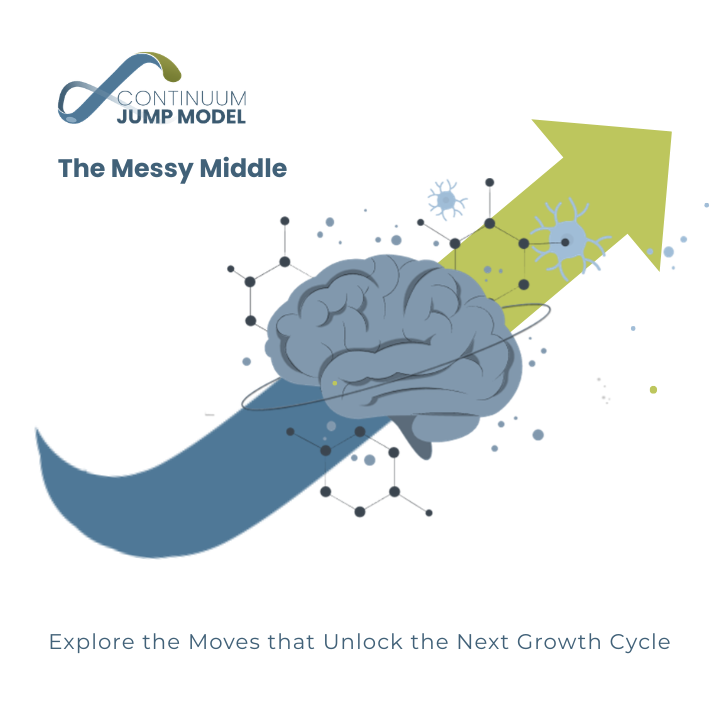
Navigating Messy Middles of Life Sciences Growth: What Leaders Try vs. What Allows the Next Jump
If you’re leading a life sciences organization through rapid growth, you’re likely facing strain in ways you can’t fully see but often feel. The pressure is rising, decisions feel heavier, and progress often looks like exerting more effort just to maintain momentum.
This is the messy middle: the unavoidable space between what once worked and what’s required next. As organizations move through predictable growth curves, each stage introduces new pressures and cultural tensions.
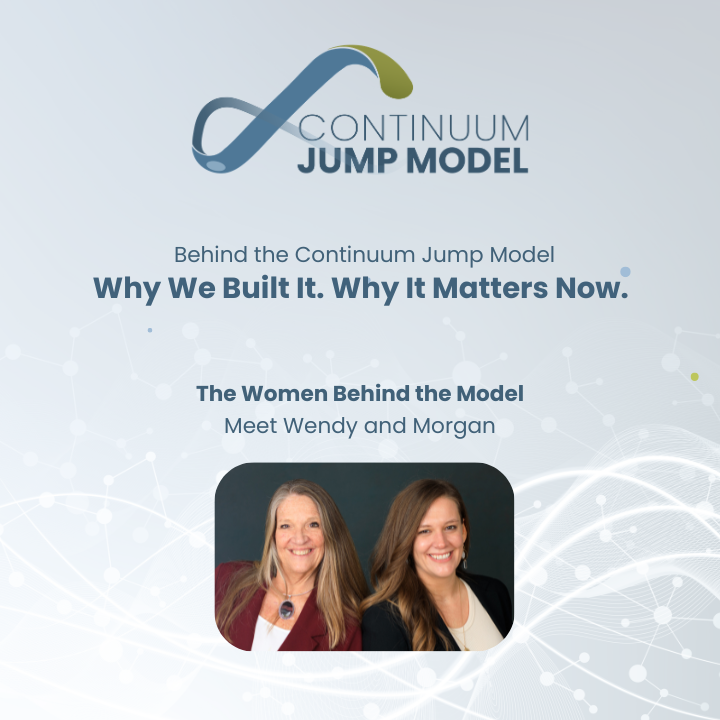
Behind the Continuum Jump Model: Why Us, Why We Built It, and Why It Matters Now
Why We Built the Model
This year, we decided it was time to formalize what we had learned—so leaders wouldn’t have to rely solely on instinct or endurance.
Our hope was simple: by making the people dynamics of growth visible, leaders could scale with intention rather than reaction.
The Continuum Jump Model was created to support leaders to:
See what’s coming sooner
Put language to where they are and what’s needed next
Understand and lead through Messy Middles with intention
Preserve energy, trust, and capability while scaling
From this work, the Continuum Jump Model was born.
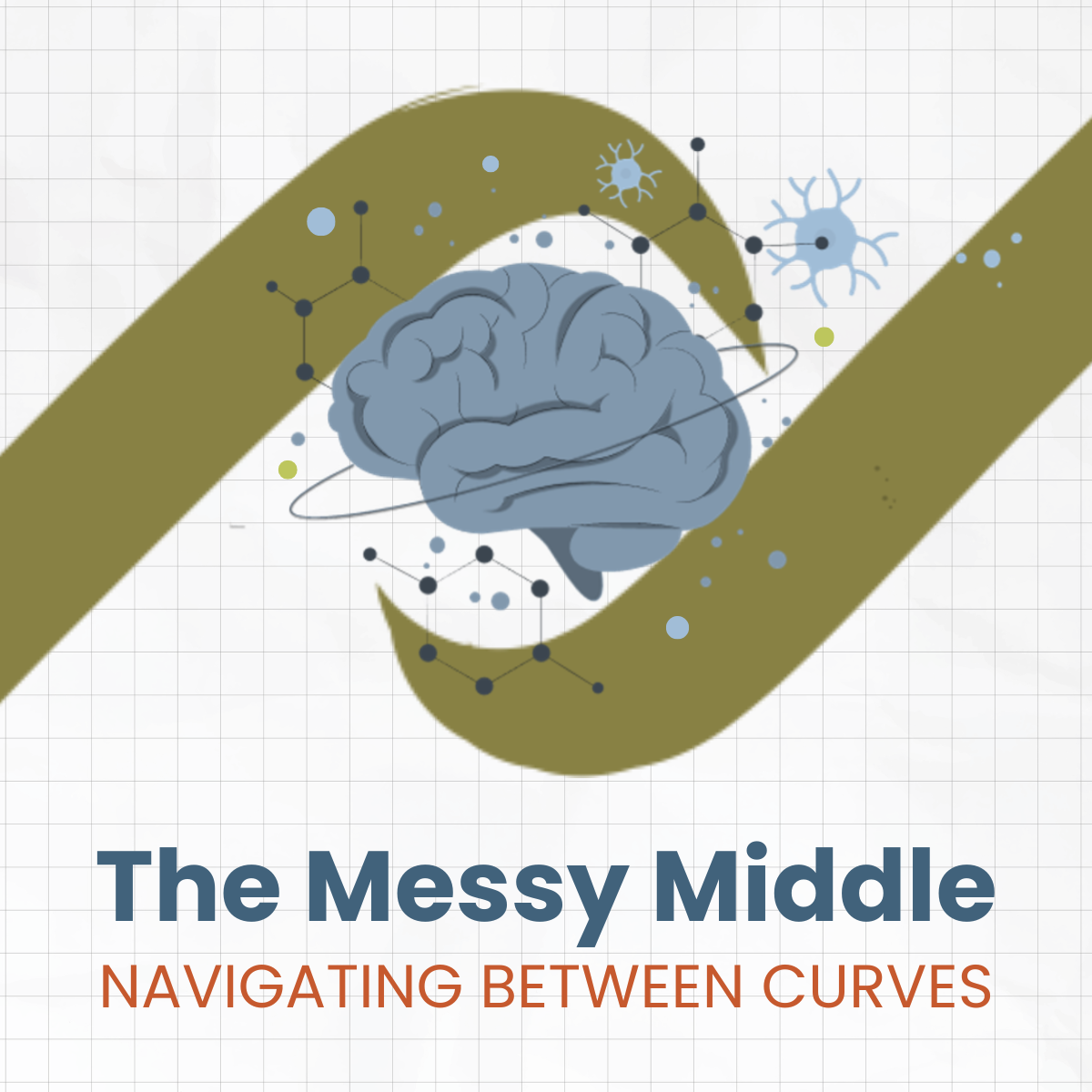
The Messy Middle: Why Growth in Life Science Organizations Feels Hard Even When Things Are “Working”
Most organizational crises do not appear suddenly. They emerge gradually through signals that are easy to miss in busy and break speed environments. Leaders who learn to recognize these signals early are better able to guide their organizations through the next curve, without losing the engagement and commitment of the workforce along the way.
There is a powerful advantage in recognizing where you are, understanding what is to come—and leading accordingly.
Growth is human – and leading through the messy middle with intention can be essential for survival.

A New Way to Navigate the Human Side of Scaling in Life Sciences
Today marks the official launch of The Continuum Jump Model—a humancentered framework for navigating the growth, pressure, and transition of scaling life sciences organizations.
This model reframes growth not as a series of crises, but as a series of normal, expected messy middles—each with its own human signals, risks, and leadership moves to effectively jump the curve to your next stage of growth.
It’s about recognizing when growth itself is asking something new of your people, culture, and leadership and giving you the language and tools to get there.
This is the first in a series exploring what it really takes to jump the curve.
ANNOUNCING: A New Framework for Navigating the Human Side of the Life Sciences Scaling Journey
Because growth in Life Sciences isn’t just clinical or operational… it’s deeply human.
The Continuum Jump Model captures the human side of why scaling Life Science organizations feels the way it does — the pressure, the ambiguity, and the moments that require real evolution along the way.
It makes all the messy middles of growth visible, predictable, and leadable – so leaders can navigate growth intentionally, rather than reactively. Because growth itself demands change.
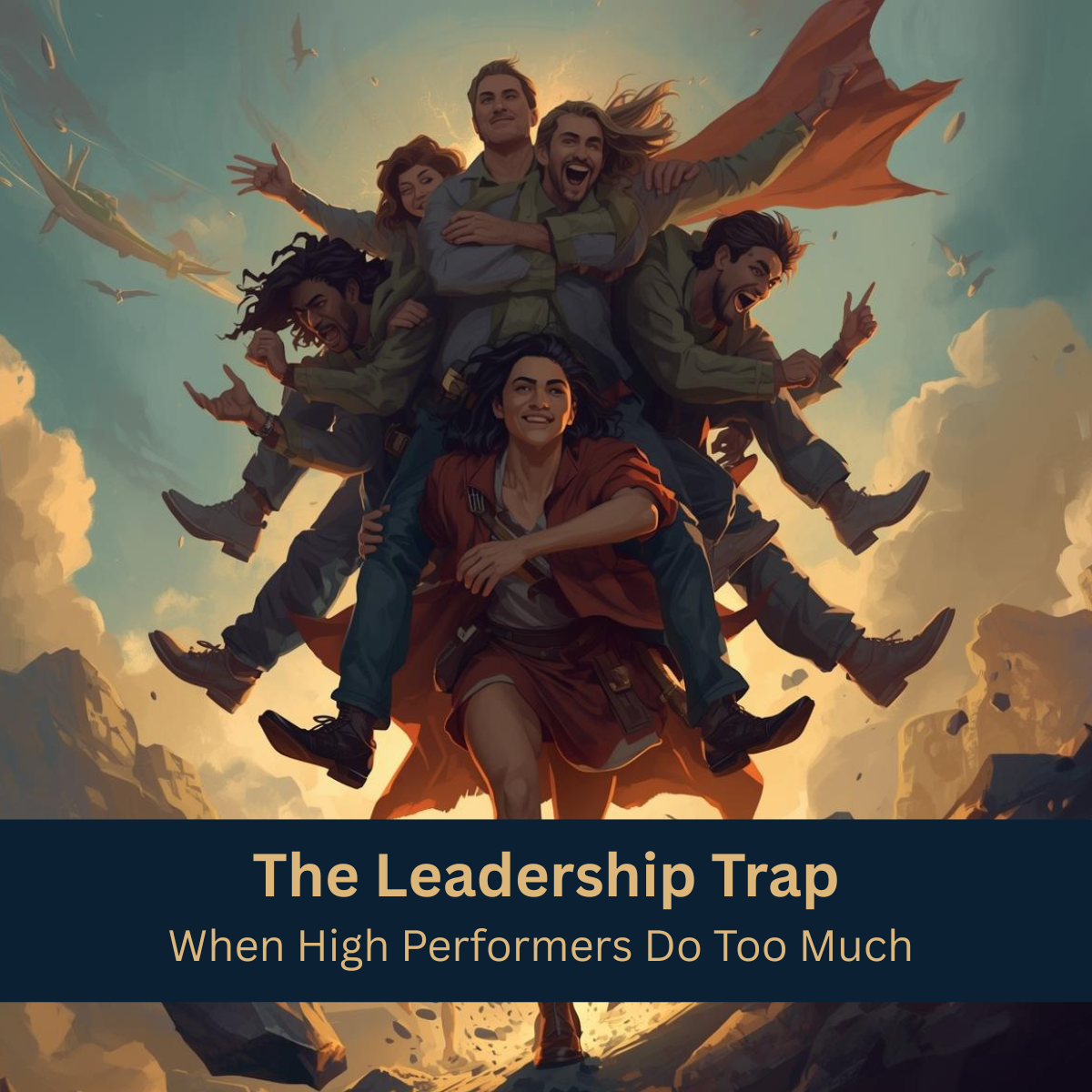
When High Performers Do Too Much
As Wendy White explains:
“In times of change, leaders often take on more than they should. That might solve today’s problem, but it creates tomorrow’s capacity issue.”
That single pattern shows up repeatedly in organizations.
Instead of asking:
“How can I get this done quickly?”
Modern leaders ask:
“How can this become a development opportunity?”

Why Clarity Is the Most Underrated Leadership Skill in Times of Disruption
One of the most common barriers to clarity is unspoken tension. When issues go unnamed, assumptions go unchallenged, and difficult conversations are avoided, teams expend energy navigating around the problem rather than addressing it directly. This dynamic is explored in Stomp the Elephant in the Office, which emphasizes the cost of ignoring what everyone sees but no one says. When leaders fail to surface the “elephants” in the room, clarity erodes, and confusion fills the gap.
Looking Ahead to 2026: Clarity, Courage, and the Power of Small Shifts
2025 was a year defined by transformation. Organizations restructured, expectations shifted, technology advanced faster than comfort levels, and leaders were asked to guide their teams through uncertainty while also managing their own capacity. Burnout and leadership fatigue became common not because leaders were weak, but because the demands placed upon them were extraordinary.
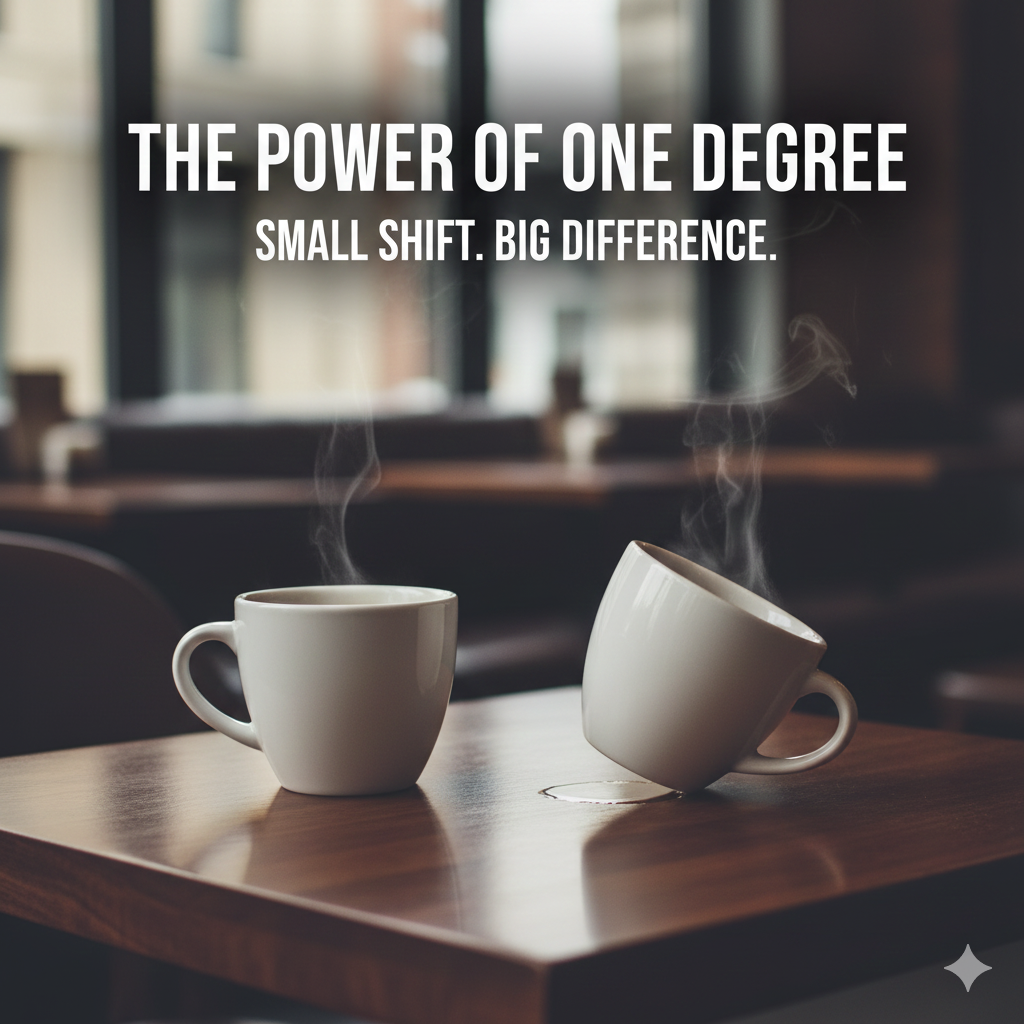
One Degree Makes the Difference: Wendy White on Leadership Clarity
Our own Wendy White, Co-Founder and CEO of Continuum Consulting Services, delivered a powerful segment on the clarity pillar during Disrupted Work Reimagined, and it resonated deeply with leaders navigating constant change.
Wendy opened with something many leaders feel but rarely say out loud: the world we’re leading in now is unlike anything we’ve experienced before. The past five years have created a new operating environment where disruption is layered, continuous, and unpredictable. That’s why so many leaders feel exhausted.
Leading Through Novel Unknowns: The New Blueprint for Leadership
In today’s polycrisis era, where global instability, social disruption, and rapid technological change intersect, leadership isn’t about managing the familiar. It’s about navigating the novel unknowns with clarity, foresight, and humanity.

Cheers to 30 More Years: Pushing Novel Unknowns and Soaring to New Heights
As Continuum Consulting celebrates its 30th anniversary, we take a moment to reflect on the incredible journey that has shaped who we are today. We’ve navigated challenges, embraced change, and continuously evolved, fueled by the belief that leadership is not just about leading through change but driving it.

Adapting to Change: 30 Years of Leadership, Organizational Transformation, and the Power of Retreats
As we look ahead, retreats remain an integral part of our leadership development approach. With the challenges organizations face today, retreats provide a powerful tool to bring people together, foster connection and understanding, and create actionable solutions. Whether it’s guiding teams through strategic planning or guiding leaders navigate complex transformations, retreats will continue to be at the heart of our work.
Here’s to 30 more years of leadership, transformation, and the power of retreats.